

Selling a home to someone who wants to pay in cash but has no traditional bank account sounds unusual. Many sellers wonder if such transactions are legal, safe, or even possible in today’s regulated real estate market.
You can legally sell your house to a cash buyer without a bank account by using escrow services, title companies, and alternative payment methods like cashier’s checks or money orders. The transaction must follow federal reporting rules and anti-money laundering laws to protect both parties.
In this blog post, you’ll learn the complete process for selling property to an unbanked buyer, from verifying funds to closing the deal securely.
Key Takeaways
- Cash home buyers without bank accounts can legally purchase property through escrow and title companies
- Missouri recognizes cash real estate transactions without requiring buyer bank financing
- Title companies must report cash payments over $10,000 using IRS Form 8300 within 15 days
- Proof of funds can include money orders, cashier’s checks, or third-party verification services
- Real estate attorneys and title companies handle fund transfers to avoid physical cash exchanges
- All-cash deals typically close faster, often under two weeks with clear title
- Federal anti-money laundering rules require identity and source-of-funds checks even without banks
How Do Cash Buyers Without Bank Accounts Purchase Homes?

Cash home buyers without traditional banking can still complete legitimate property purchases. They use alternative financial tools and work with professionals who handle the money safely. The process follows all legal requirements while accommodating their no bank account situation.
Understanding the Cash Sale Process for Unbanked Buyers
A cash-only transaction means the buyer pays the full purchase price without mortgage financing. The funds come directly from the buyer’s resources, not a lending institution. Missouri recognizes cash real estate transactions and no law requires buyer bank financing for property purchases.
Unbanked buyers often hold wealth in physical currency, precious metals, or non-traditional investments. They convert these assets into acceptable payment forms for real estate deals. Title companies and escrow services bridge the gap between physical cash and recorded transactions.
The direct home sale process works the same whether buyers have accounts or not. Both parties need proper identification, clear title verification, and legally binding contracts. Payment method is the only difference from traditional financed purchases.
What Defines a Cash Transaction in Real Estate
A real estate cash deal means no mortgage lender participates in the purchase. The buyer provides 100% of the funds from personal resources at closing. This creates a simpler transaction with fewer approval steps and contingencies.
Selling house without mortgage involvement speeds up the timeline significantly. No appraisal requirements, loan underwriting, or bank delays slow the process. Buyers can close as soon as title searches and inspections complete.
Property cash exchange can involve various payment instruments beyond physical bills. Cashier’s checks, money orders, and wire transfers all count as cash transactions. These methods provide security and create paper trails for legal compliance.
Legal Requirements for All-Cash Home Sales
Missouri Statutes Chapter 442 govern conveyances of real estate and apply to all sales. The deed must be written, signed, acknowledged, and recorded in the county where property is located. This applies equally in St. Louis City, St. Louis County, and surrounding areas.
Missouri law requires a written purchase agreement for every property transfer. Sellers must provide disclosure statements for residential properties. Buyers must receive marketable title at closing regardless of payment method.
Cash buyers must still pass identity and source-of-funds checks under federal Bank Secrecy Act rules. Title and escrow companies apply these anti-money laundering regulations in St. Louis. No bank involvement doesn’t mean no verification or oversight.
Documentation Needed Beyond Bank Statements
Non-traditional buyers provide alternative proof of financial capacity. Money order receipts, prepaid card balances, or cash counting certificates work as documentation. Third-party financial services can verify and vouch for available funds.
Notarized affidavits stating fund sources help establish legitimacy. Some buyers provide documentation of asset liquidation like vehicle sales or business proceeds. Real estate professionals guide buyers on acceptable proof for their specific situation.
Selling to cash-rich buyers requires creative documentation approaches. Escrow companies may count physical currency with witnesses present. Certified public accountants can provide letters confirming client financial capacity for property transactions without bank accounts.
How to Verify Legitimate Cash Funds from Unbanked Buyers?

Verifying funds from unbanked buyers protects sellers from deals that fall through at closing. Proper verification also ensures compliance with anti-money laundering laws. Several reliable methods exist for confirming a buyer’s financial capacity without traditional bank statements.
Proof of Funds Alternatives for Cash Buyers
Cash buyer verification process can use prepaid cards, money orders, or certified checks. These instruments provide tangible evidence of available funds. Buyers purchase these from retail locations, post offices, or check-cashing businesses.
Escrow companies can hold buyer funds in their trust accounts during the transaction period. This demonstrates the buyer has real money and commits to the purchase. The funds remain protected until all conditions are met for closing.
Proof of funds for cash buyer documentation should show amounts sufficient for purchase price plus closing costs. Letters from financial advisors or accountants can supplement physical payment instruments. Some buyers provide receipts from recent large asset sales.
Third-Party Verification Services
Professional verification companies specialize in confirming cash payment for property capacity. These services interview buyers, review documentation, and issue certificates of fund availability. Many real estate professionals trust these third-party assessments.
Cash payment verification services charge fees but provide peace of mind for sellers. They investigate fund sources and confirm amounts without requiring traditional banking relationships. Their reports satisfy most title company requirements.
Some verification services physically witness cash counting and issue notarized statements. Others coordinate with check-cashing businesses or alternative financial institutions. These intermediaries bridge the gap between house selling without financial institution involvement and seller confidence.
Escrow and Title Company Requirements
Title companies in Missouri must report cash payments over $10,000 using IRS Form 8300. Businesses receiving cash have 15 days to file this form. This federal requirement applies even in private real estate transactions.
Cash escrow service providers follow strict protocols for handling large amounts. They document chain of custody, photograph payment instruments, and maintain detailed records. These practices protect all parties and ensure legal compliance.
Title company cash transaction procedures include enhanced identity verification. Buyers provide multiple forms of identification and proof of address. Title agents may conduct additional background checks for large cash transaction reporting requirements.
How to Structure the Sale with a Cash Buyer?
Structuring a direct property purchase with an unbanked buyer requires professional assistance and clear agreements. Proper structure protects both parties and ensures legal compliance. The right team makes selling property for cash smooth and secure.
Using Escrow Services for Secure Transactions
Escrow companies act as neutral third parties holding funds until all conditions are met. They manage the secure cash property transaction from contract signing through deed recording. This protects sellers from receiving bad payment instruments.
Property closing without bank participation still requires escrow oversight. The escrow agent verifies payment instruments, coordinates title work, and manages document signing. They ensure funds clear before releasing the deed to the buyer.
Closing is customarily handled by a title company or real estate attorney in St. Louis. Funds usually transfer via cashier’s check or wire, not physical currency, for security and recordkeeping. This standard practice applies to all alternative home financing arrangements.
Working with Real Estate Attorneys
Real estate attorney for cash sale representation provides legal protection throughout the transaction. Attorneys review contracts, verify title, and ensure compliance with Missouri real estate law. They explain risks and protect client interests.
Attorneys help structure no banking documentation transactions to meet legal standards. They draft addendums addressing unique payment arrangements. Their involvement reduces risk in property sale without bank complications.
Legal counsel ensures all paperwork for cash house sale meets recording requirements. They coordinate with title companies and escrow agents. Attorney oversight helps avoid disputes that commonly arise from inadequate proof of funds.
Title Company Role in Cash Transactions
Title transfer for cash deals requires the same title search and insurance as financed purchases. Title companies examine public records for liens, judgments, or ownership disputes. They issue insurance protecting both buyer and seller.
Notarized cash property sale documents require proper acknowledgment before recording. Title companies coordinate notary services and ensure signatures are properly witnessed. They file deeds with the county recorder’s office.
Real estate cash contract closing happens at the title company office. All parties sign documents, funds are verified and transferred, and keys change hands. Title agents ensure every step follows Missouri conveyancing requirements.
Payment Methods That Protect Both Parties
Money order home sale transactions use multiple instruments to reach the purchase price. Buyers purchase several money orders since individual ones have dollar limits. These instruments are traceable and can be verified before closing.
Cashier’s checks from check-cashing businesses provide bank-equivalent security. These checks are guaranteed by the issuing institution. Sellers can verify authenticity before accepting them as payment.
Wire transfers through money service businesses offer electronic cash property transfer options. Even unbanked buyers can access these services at retail locations. Wires create immediate, irreversible transfers that protect sellers.
What Are the Risks When Selling to Unbanked Cash Buyers?
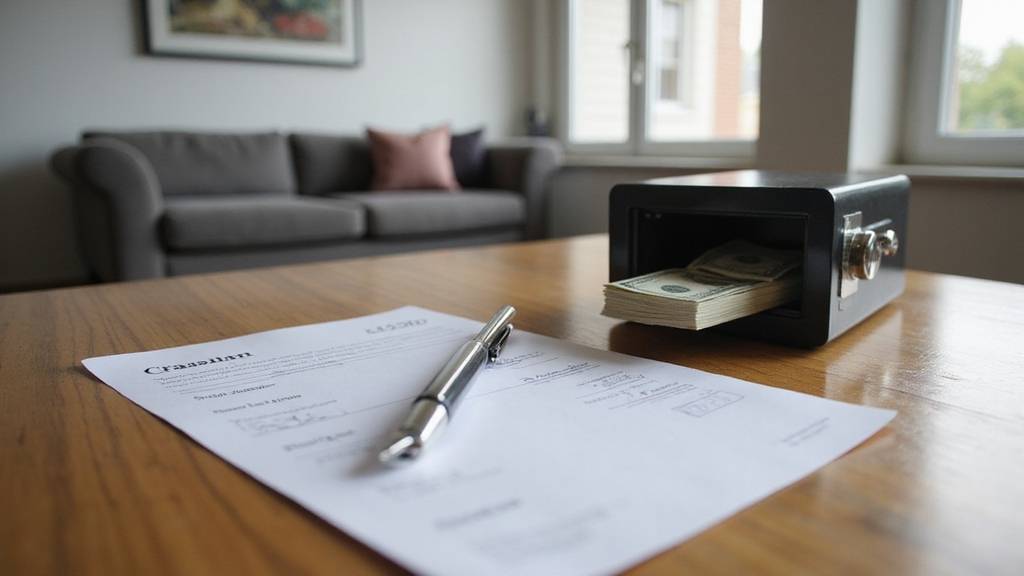
Selling to buyer with physical cash carries specific risks that require careful management. Understanding these risks helps sellers take protective steps. Proper precautions make legal cash property sale transactions safe and compliant.
Money Laundering and Legal Compliance Concerns
Large all-cash deals risk money laundering suspicion under federal law. FinCEN Geographic Targeting Orders have periodically required title insurers to report high-value cash purchases. St. Louis can be included if thresholds are met in certain market conditions.
Money laundering concerns arise when buyers cannot explain fund sources clearly. Sellers risk involvement in illegal activity if they don’t verify buyer legitimacy. Title companies and attorneys help ensure compliance with anti-money laundering rules.
Cash buyers must still pass identity and source-of-funds checks under federal Bank Secrecy Act requirements. Title and escrow companies apply these regulations in St. Louis and surrounding counties. Proper verification protects sellers from legal complications.
IRS Reporting Requirements for Large Cash Transactions
IRS reporting for cash sale over $10,000 is mandatory under federal tax law. Form 8300 must be filed within 15 days of receiving cash. This includes physical currency, cashier’s checks, and money orders used in cash home sale legality compliance.
Tax implications cash home sale extend to both sellers and buyers. Unreported large cash transactions can trigger IRS investigations. Working with title companies ensures proper reporting happens automatically.
Sellers should maintain detailed records of all large cash transaction reporting activities. Documentation protects against future tax questions. Professional handling of IRS Form 8300 for Cash Transactions Over $10,000 is essential.
Protecting Yourself from Fraud
Home seller protection cash sale starts with thorough buyer vetting. Request identification, proof of funds, and references. Never accept physical cash without professional witnesses and documentation.
Real estate deal without bank oversight requires extra verification steps. Use title insurance, attorney review, and escrow services. These professionals spot red flags that individual sellers might miss.
Scammers sometimes pose as cash-rich buyers to access properties or personal information. Always close at established title company offices. Never wire money or provide sensitive data without verifying the other party’s legitimacy through independent research.
What Documentation Is Required for Cash-Only Home Sales?
Direct home sale transactions require comprehensive documentation regardless of payment method. Proper paperwork protects both parties and ensures legal enforceability. Missouri law mandates specific documents for all property cash closing transactions.
Purchase Agreement Essentials
The real estate cash contract must include all material terms in writing. Property description, purchase price, closing date, and contingencies need clear specification. Both parties must sign the agreement for it to be legally binding.
Private home sale agreements should address the unique aspects of no bank involvement transactions. Payment method, fund verification procedures, and accelerated timelines need explicit documentation. Attorneys can draft addendums for non-standard payment arrangements.
Missouri law requires written purchase agreements for enforceable real estate contracts. Verbal agreements don’t meet legal standards for property transfers. Sellers should never proceed without signed, detailed contracts.
IRS Form 8300 for Cash Transactions Over $10,000
Title and escrow companies in Missouri must report cash payments over $10,000 using this federal form. The form captures payer identity, payment details, and transaction nature. Filing must occur within 15 days of receiving cash.
IRS Form 8300 for Cash Transactions Over $10,000 applies to physical currency and certain monetary instruments. Cashier’s checks, money orders, and traveler’s checks under $10,000 each still require reporting if the total exceeds that threshold. Multiple related payments count toward the reporting requirement.
Failure to file Form 8300 carries significant penalties for businesses. Title companies handle this reporting as part of standard closing procedures. Sellers benefit from professional management of these federal compliance requirements.
Deed Transfer and Title Documentation
Missouri Statutes Chapter 442 govern conveyances of real estate through deed requirements. The deed must be written, signed, acknowledged, and recorded in the county where property is located. St. Louis City and County maintain separate recording systems.
Home deed transfer cash sales use the same deed types as financed purchases. Warranty deeds, quit claim deeds, or special warranty deeds transfer ownership rights. The deed type affects what guarantees the seller makes about title quality.
Title transfer for cash transactions requires proper notarization before recording. County recorders will not accept improperly acknowledged deeds. Title companies coordinate notary services and ensure documents meet all recording requirements.
How Does Closing Work Without Buyer Bank Involvement?
Property closing without bank participation simplifies the process significantly. Fewer parties and approval steps mean faster timelines. Understanding the closing process helps sellers prepare for house cash transfer completion.
Timeline for All-Cash Closings
Case practice in Missouri shows faster closings on cash deals, often under two weeks when title is clear. No bank account sale transactions eliminate loan approval waiting periods. Buyers and sellers can schedule closing as soon as title searches and inspections complete.
Cash home sale legality requires the same title work as financed purchases. Title companies need 7-10 days to complete searches and issue insurance. Sellers can expedite by providing documents and addressing issues quickly.
Selling property for cash to motivated buyers can close in as little as one week. Both parties must be available for document signing. All funds must be verified and available before the scheduled closing date.
Where Physical Cash Exchange Occurs
Physical cash property exchange rarely happens in modern real estate transactions. Most closings use cashier’s checks, money orders, or electronic transfers. Funds customarily transfer via cashier’s check or wire, not physical currency, for security and recordkeeping.
When large amounts of physical cash are involved, counting occurs at the title company office. Multiple witnesses document the count and verify the amount. The cash is immediately deposited into the title company’s trust account.
Secure cash property transaction practices prohibit exchanging large amounts outside professional settings. Meeting at title company offices protects both parties. Professional handling creates proper documentation for tax and legal purposes.
Final Walkthrough and Key Transfer Process
The final walkthrough happens 24-48 hours before closing. Buyers verify property condition matches the contract terms. This step confirms sellers have moved out and left the property as agreed.
House cash transfer of keys occurs after all documents are signed and funds verified. Title companies coordinate the key exchange at the closing table. Sellers should never release keys before receiving payment confirmation.
Property transaction without bank account closings follow the same key transfer protocols as traditional sales. Buyers receive keys, garage door openers, and access codes. Sellers receive their proceeds immediately after closing completes.
Ready to Sell Your House Fast to Freedom Path Investors?
Freedom Path Investors are cash home buyers who specialize in direct property purchase transactions throughout St. Louis, Missouri. We handle all paperwork, work with trusted title companies, and close on your timeline. Our process eliminates the stress of traditional home sales.
We serve O’Fallon, Affton, Ballwin, Florissant, St. Charles County, West County, South County, St. Louis County, North County, and St. Peters. We also purchase properties in other popular areas throughout the St. Louis region. Our team understands Missouri real estate law and ensures every transaction meets legal requirements.
Contact Freedom Path Investors today for a fair cash offer on your property. We close quickly, handle all closing costs, and buy houses in any condition. Skip the repairs, showings, and uncertainty of traditional sales. Let us show you how simple selling property for cash can be.