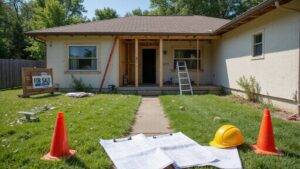

Homeowners facing urgent financial needs or property challenges often wonder about selling quickly without repairs. The traditional home sale process can feel overwhelming when time is short. Many sellers consider cash buyers as an alternative to standard real estate transactions. These buyers purchase properties in any condition, removing renovation stress.
Cash buyers typically pay between 67–80% of a home’s after-repair value, which often means offers are 20–50% below retail market price. The exact amount depends on repair costs, local market conditions, and the investor’s business model.
In this blog post, you’ll learn what influences cash offers, why investors pay less, and when selling “as is” makes sense.
Key Takeaways
- Cash buyers commonly offer 67–80% of after-repair value for “as is” homes
- The 70% Rule guides most investor offers: 70% of ARV minus repair costs
- Property condition, local market trends, and repair needs directly impact offer amounts
- Sellers trade lower prices for speed, convenience, and certainty of sale
- St. Louis sees 37–38% of homes sold via cash transactions in 2024–2025
- Closing happens in as little as 7–14 days with cash buyers
- No realtor fees or repair expenses reduce seller costs significantly
What Factors Influence Cash Buyer Offers on “As Is” Homes?

Several key elements determine how much cash buyers pay for properties. Investors evaluate each property individually based on specific criteria. Understanding these factors helps sellers set realistic expectations.
Repairs Needed
The cost of necessary repairs directly reduces the cash offer amount. Investors calculate repair estimates before submitting offers. Major issues like foundation problems, roof damage, or outdated electrical systems lower offers significantly.
Missouri Revised Statutes, Chapter 442, govern property sales, including “as is” cash transactions. Sellers must disclose known material defects even in “as is” sales. Buyers factor disclosed problems into their repair budgets and final offers.
Minor cosmetic updates cost less than structural repairs. Property investors offer amounts reflect the full scope of work needed. Homes requiring extensive renovations receive lower bids than properties needing simple updates.
After-Repair Value (ARV)
ARV represents what a property would sell for after complete renovation. Investors research comparable sales in the neighborhood to determine ARV. This figure serves as the foundation for all cash home purchase calculations.
The median home price in St. Louis is about $250,000–$280,000, with values rising about 5% annually. Buyers use recent sales data from similar homes in similar condition. Higher ARV properties receive higher cash offers, even before subtracting repair costs.
Location quality impacts ARV significantly. Desirable neighborhoods support higher after-repair values. Investors pay more for homes in areas with strong buyer demand.
Local Market Conditions
Current real estate trends affect how much buyers pay. Hot markets with low inventory lead to more competitive offers. Slower markets give buyers more negotiating power and lower offer amounts.
St. Louis has a high proportion of cash sales—about 37–38% of homes sold in 2024–2025, ranking in the top 10 nationally for cash transactions. This competitive environment can benefit sellers. Multiple buyers competing for properties may increase offer amounts.
Seasonal factors also influence pricing. Spring and summer typically see higher activity and better offers. Winter sales may attract lower bids due to reduced buyer competition.
Investor’s Profit Margin
All-cash home buyers need profit to sustain their business operations. Most investors target 15–25% profit margins on each transaction. This required profit directly affects the investor purchase price they can offer.
Holding costs also factor into profit calculations. Investors pay property taxes, insurance, and utilities during renovation. Longer project timelines reduce profit margins and lower initial offers.
Financing costs matter even for cash buyers. Investors using private money or lines of credit pay interest expenses. These costs reduce the maximum amount they can offer sellers.
Buyer Type
Different types of buyers offer varying amounts for properties. House flipping investors typically offer less because they renovate and resell quickly. Landlords buying rentals may pay slightly more since they hold long-term.
Home buying companies and iBuyers use technology-based pricing models. These companies often provide no-obligation cash offers within 24 hours. Their pricing tends to fall in the mid-range of the market.
Individual investors may offer more flexible terms than corporate buyers. Some investors buy homes for personal use after renovation. These buyers might pay higher amounts for properties they particularly like.
What Trade-offs Do Sellers Accept When Choosing Cash Buyers?

Sellers exchange a lower sale price for significant practical advantages. Selling to cash buyers makes sense in specific situations. The right choice depends on individual circumstances and priorities.
Speed
Quick home sale timelines represent the biggest advantage of cash transactions. Traditional sales take 30–60 days on average, sometimes longer. Cash buyers can close in as little as 7–14 days with flexible scheduling.
Sellers facing foreclosure benefit most from rapid closings. Days matter when auction dates approach quickly. Fast sales also help people relocating for jobs or dealing with inherited properties.
Buyers eliminate loan approval delays entirely. Banks don’t need to appraise properties or underwrite mortgages. This streamlined process removes the most common reasons traditional sales fall through.
Convenience
Home selling without repairs eliminates months of renovation work. Sellers avoid contractor coordination, permit applications, and project management. Properties sell in current condition, regardless of needed updates.
No repairs required sales benefit elderly sellers and estate executors particularly. These sellers often lack time, energy, or resources for renovations. Cash buyers handle all work after closing, not before.
No realtor fees save sellers 5–6% of the sale price. Direct property buyers eliminate open houses, staging, and repeated showings. Sellers skip cleaning, decluttering, and maintaining show-ready conditions for weeks.
Reduced Costs
No commission house sale transactions preserve thousands of dollars. Traditional agent fees on a $250,000 home cost $12,500–$15,000. Sellers keep this money when working with direct cash home buyers.
Utility and insurance costs stop at closing. Sellers stop paying for vacant properties immediately. Ongoing maintenance expenses end the moment ownership transfers.
Repair avoidance saves substantial amounts beyond just labor costs. Materials, permits, and unexpected problems add up quickly. Selling house without renovations eliminates these financial risks entirely.
Certainty
Quick closing cash offers rarely fall through compared to financed deals. Traditional buyers lose financing approval in 5–10% of transactions. Job loss, credit issues, or appraisal problems derail conventional sales regularly.
Cash offer without inspection contingencies provide additional security. Some investors waive inspections entirely after initial walkthroughs. Others complete inspections but don’t renegotiate based on findings.
Sellers gain peace of mind knowing the deal will close. Life changes like divorce or job relocation require guaranteed timelines. Cash sales provide the certainty these situations demand.
How Does Property Condition Affect Cash Offer Amounts?

Property condition is the single biggest factor determining cash buyer home valuation amounts. Homes in excellent condition receive offers closer to market value. Properties with significant problems get substantially lower bids.
Structural issues impact offers more than cosmetic problems. Foundation cracks, roof leaks, and plumbing failures cost tens of thousands to repair. Investors reduce offers dollar-for-dollar based on these major repair estimates.
Outdated kitchens and bathrooms also lower offer amounts. These renovations cost $15,000–$40,000 per room in most markets. Buyers factor these expenses into their property cash buyers calculations.
Distressed property buyers specialize in homes with serious problems. Investors such as STL Pro Homebuyers purchase properties regardless of financial or physical condition, including those in foreclosure or with structural issues. These companies provide options for sellers other buyers reject.
Code violations and unpermitted work reduce offers significantly. Bringing properties up to code requires time and money. Some violations require expensive system replacements before resale is possible.
Deferred maintenance shows buyers the property needs comprehensive attention. Small problems left unaddressed often indicate larger hidden issues. Buyers assume worst-case scenarios when evidence suggests poor upkeep.
Environmental hazards like mold or asbestos require specialized remediation. These issues reduce offers substantially due to high cleanup costs. Some buyers won’t purchase homes with these problems at all.
What Is the 70% Rule for Cash Home Buyers?
The 70% Rule is commonly used: investors offer about 70% of ARV minus repair costs. This formula helps buyers ensure profitable deals. Understanding this calculation explains why cash buyers discount properties significantly.
The math works like this for a St. Louis home. ARV is $250,000 based on comparable sales. Repair costs total $40,000 for a complete renovation.
Calculation breakdown shows the offer amount clearly:
- 70% of $250,000 ARV = $175,000
- $175,000 minus $40,000 repairs = $135,000 offer
- This represents 54% of ARV
The remaining 30% covers investor profit, holding costs, and contingencies. Closing costs, property taxes during renovation, and insurance consume 5–8%. Another 5–7% covers financing costs for investors using borrowed funds.
Real estate cash buyers adjust this percentage based on market conditions. Competitive markets might see 75% or even 80% formulas. Slower markets or very distressed properties might drop to 65%.
Risk factors also influence the percentage used. Properties with title issues, tenant problems, or zoning concerns warrant lower percentages. Investors protect themselves against unforeseen complications by building in cushion.
Buyers targeting rental properties sometimes pay higher percentages. Landlords don’t need as much profit margin since they hold long-term. They focus on monthly cash flow rather than flip profit.
Home investors pricing varies by experience level and business model. Newer investors might use stricter formulas to protect against mistakes. Experienced buyers with efficient systems can afford slightly higher offers.
Why Do Cash Buyers Offer Less Than Market Value?
Cash buyers frequently pay between 67–80% of a home’s after-repair value (ARV). Typical offers are 20–50% below market retail price, depending on property condition and investor profit needs. This pricing reflects the true costs of their business model.
Renovation costs consume a significant portion of the price gap. Labor, materials, and permits for complete rehabs cost substantial amounts. Direct house buyers pay these expenses out of their acquisition budget.
Holding costs add up during renovation periods. Property taxes, insurance, utilities, and loan interest accrue monthly. A three-month renovation easily costs $3,000–$5,000 in holding expenses.
Real estate investors cash transactions involve substantial risk. Unexpected problems emerge during renovations regularly. Foundation issues, hidden water damage, and code violations appear after purchase.
Profit margins keep investors in business long-term. Companies need 15–25% margins to remain sustainable. This profit funds their operations, marketing, and future property purchases.
Selling costs at the back end reduce investor returns. Agent commissions, closing costs, and staging expenses total 8–10% of resale price. These costs must be factored into the initial purchase price.
Market risk affects investor calculations significantly. Property values can decline during renovation periods. Investors protect against market fluctuations by building in price cushion.
Time value of money also justifies lower purchase prices. Investors tie up capital for 4–6 months per project. They could invest that money elsewhere for returns during that period.
What Are the Benefits of Selling to Investors Like Freedom Path Investors?
Working with established companies provides advantages over individual buyers. Freedom Path Investors offers professional service and proven systems. Sellers experience smooth transactions from initial contact through closing.
No-obligation cash offers let sellers explore options without commitment. Companies provide written offers within 24–48 hours typically. Sellers can compare these offers against traditional listing possibilities.
Flexibility around closing dates accommodates seller needs. Some sellers need to close immediately to avoid foreclosure. Others prefer delayed closings to coordinate with their next housing situation.
Fair cash offers reflect true property values in current condition. Reputable companies don’t lowball sellers hoping for desperate acceptance. They provide reasonable offers based on standard industry calculations.
Professional investors handle all title and legal requirements. They work with established title companies and real estate attorneys. Sellers don’t navigate complicated paperwork alone.
Property investors pay all closing costs in many transactions. This saves sellers thousands in fees and expenses. Sellers receive their offer amount minus only existing liens and mortgages.
Companies buy properties in any situation or condition. Inherited homes, divorce properties, and pre-foreclosure sales all qualify. Selling as-is property works regardless of financial or personal circumstances.
Established companies have cash reserves ready for immediate deployment. Sellers don’t wait for buyer financing or worry about deal collapse. Fast closing property sale timelines provide certainty and peace of mind.
Ready to Get a Fair Cash Offer from Freedom Path Investors?
We are cash home buyers serving St. Louis, Missouri and surrounding communities. Freedom Path Investors specializes in as-is home sales for homeowners needing quick solutions. Our team understands the challenges sellers face with distressed or unwanted properties.
We purchase homes throughout O’Fallon,Affton,Ballwin,Florissant,St. Charles County, West County,South County,St. Louis County,North County, andSt. Peters. Our service extends to all popular areas of St. Louis, Missouri. Location and property condition don’t limit our ability to make fair cash offers.
Local laws require sellers to provide a Seller’s Disclosure Statement but allow “as is” sales with waived inspection contingencies if both parties agree in writing. We handle all legal requirements professionally. Our experienced team guides you through every step of the home cash sale process.
You’ll receive a no-obligation offer within 24 hours of contacting us. We close on your timeline, whether that’s 7 days or 60 days. Contact Freedom Path Investors today to discover how much your property is worth to direct cash home buyers who truly care about your situation.